How to Run a Free VIN Check and What You Will Actually Get
Every fact, figure and legal citation in this article was checked against its original source before publication by Artūras Andriušaitis, founder and editor. Editorial Standards
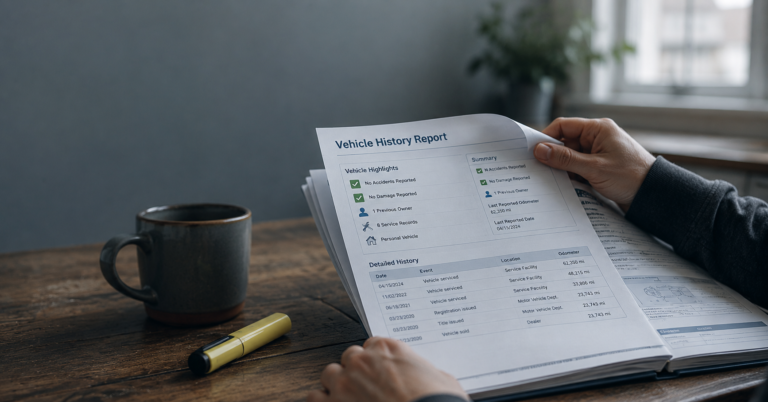
A free VIN check takes about thirty seconds and can prevent you from buying a stolen car. It won’t surface three accidents, an odometer rolled back, or a week underwater in Houston that no insurer ever paid out on. Knowing the difference matters, because it is easy to assume the free tools cover more than they actually do.
Two free VIN check tools cover the basics, and neither asks for a credit card or an email address. A federally backed title report adds the title history, usually for about $10. Here is what each one really does. This guide is part of our VIN Guide coverage.
Start With NICB VINCheck for Theft and Salvage Records
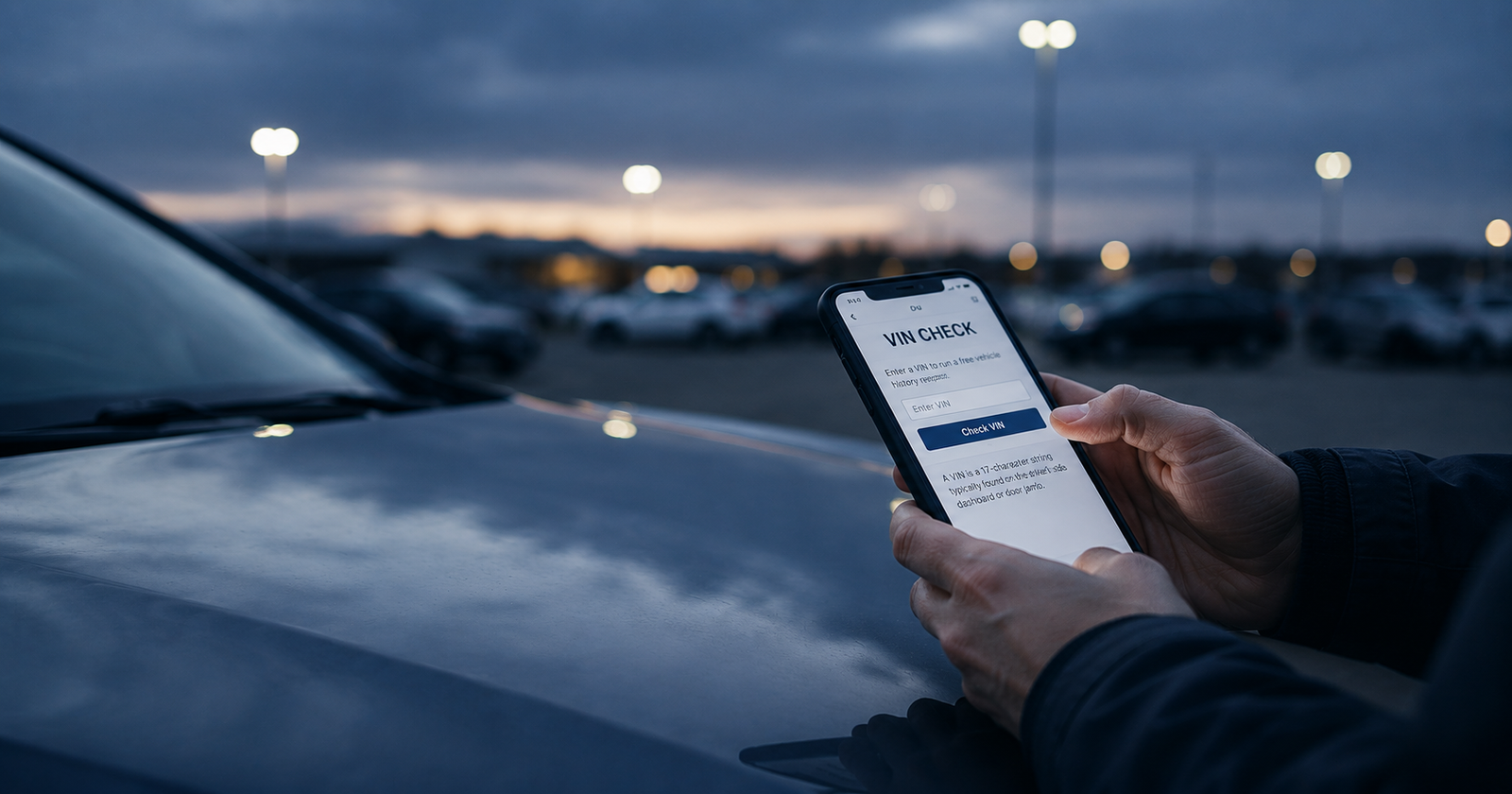
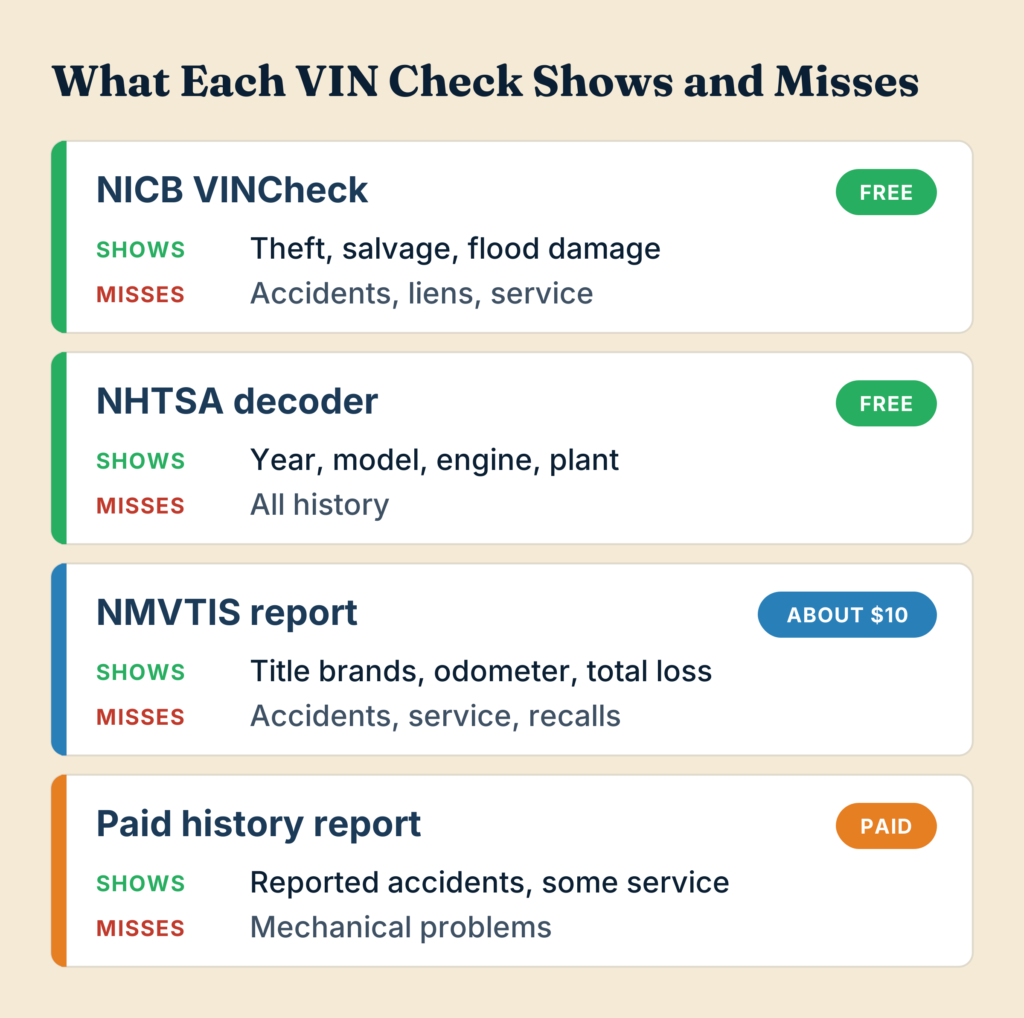
The NICB VINCheck tool at nicb.org/vincheck is the free VIN check worth running first. The National Insurance Crime Bureau aggregates data from its member insurance companies and surfaces two specific things: whether the vehicle has been reported stolen and not recovered, and whether a participating insurer has ever reported it as a salvage, total loss or flood-damaged vehicle.
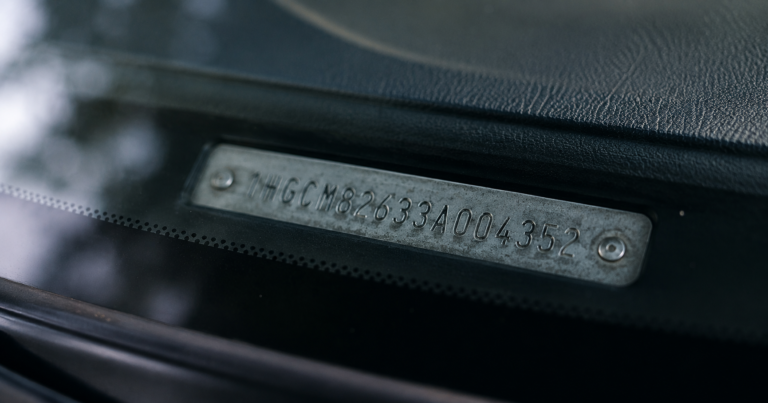
Running a check takes seconds. Enter the 17-character VIN, agree to the terms, and the system returns either a clean record or a flag. The tool also accepts a photo of the VIN, which is useful if the seller will not give you the number in writing. NICB caps the service at five searches per 24 hours per IP address, which is rarely a problem for ordinary buyers but worth knowing if you are screening several cars at once.
The catch is that NICB only sees data from insurers that participate in the program. It does not query law enforcement databases or insurers that opt out. A stolen vehicle whose insurer is not a member may not appear. NICB itself notes the tool is not a comprehensive vehicle history report and recommends additional due diligence before any purchase. We treat theft and salvage records as a first filter, not a final answer.
Use the NHTSA Decoder to Confirm the VIN Says What the Seller Says
The NHTSA VIN decoder is free, official, and answers a different question. It does not return any history at all. What it does return is a structured breakdown of what the factory built: make, model, model year, body class, engine specs, restraint system, and assembly plant.
That sounds dry, but it is one of the most underused fraud checks available. A seller who claims they are selling a 2022 V6 Camry XSE should produce a VIN that decodes to exactly that. If the decoder returns 2018, four-cylinder, LE trim, the listing is wrong, the VIN belongs to a different car, or someone is lying. The VIN does not lie about what came off the assembly line.
We recommend running every VIN through the NHTSA decoder right after NICB VINCheck, because it confirms the basic identity of the vehicle and validates the check digit math at the same time. It costs nothing and takes about ten seconds. Our own free VIN check reads the same NHTSA decoder and adds the recall campaigns, owner complaint counts and crash-test ratings for that model year. For a deeper breakdown of what each character in a VIN represents, see our pillar guide on VIN decoding.
Add an NMVTIS Report When the Car Is Worth It
The federal NMVTIS system works differently. The government does not hand out the reports itself: approved private providers do, and a single report usually costs about $10. NMVTIS stands for the National Motor Vehicle Title Information System, and federal law requires states, insurance carriers, and junk and salvage yards across the United States to report data into it.
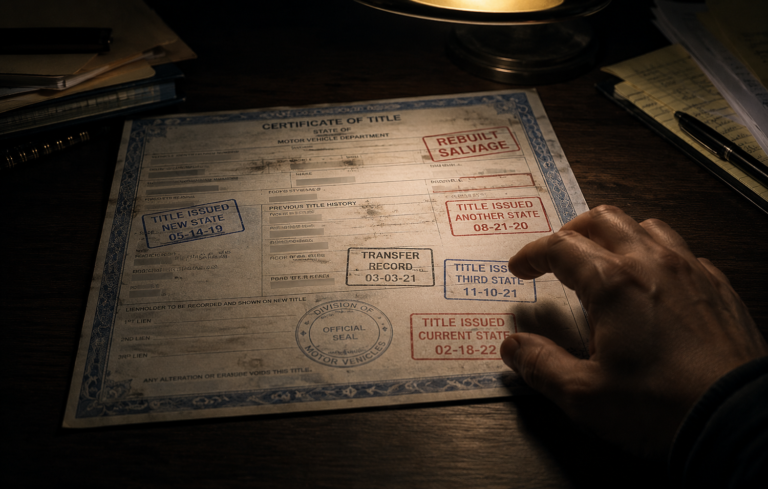
What you get is title brand history (junk, salvage, flood), total loss and salvage records, the most recent reported odometer reading, prior states of titling and, in some cases, historical theft data. What you do not get is accident history, repair records, or service data, which NMVTIS is not designed to capture. Because a brand becomes a permanent part of the car’s NMVTIS record, the report is also a cheap way to catch title washing, where a branded car is moved to another state to come back with a clean title.
The official list of approved providers lives at vehiclehistory.bja.ojp.gov. Compare the providers on it before you pay: their prices differ, and at least one advertises its report as free. The same page says the companies that supply NMVTIS data to car dealerships do not sell the reports to consumers.
What Free VIN Checks Will Not Show You
A free VIN check covers theft, salvage, and basic vehicle identity. It does not cover several things a used-car buyer needs to know. The two free checks will not surface:
- Accident history. Paid history reports collect this from police departments and other sources. The free tools do not have access to those feeds.
- Service and maintenance records. Held by dealerships and independent shops. They sometimes appear in paid reports. They do not appear in a free VIN check.
- Liens and ownership disputes. A car can be free of theft flags and still have a finance company holding the title.
- Recalls not yet repaired. Neither of the two checks lists them. NHTSA’s free recall lookup shows unrepaired safety recalls by VIN, as a separate search.
- Odometer rollbacks. The two free checks show no mileage at all. An NMVTIS report adds the most recent odometer reading in the state’s title record, so a rollback between title transfers may not stand out. Our odometer fraud guide goes deeper.
The other risk worth knowing about is the report site somebody else picks for you. In a scam the Federal Trade Commission has warned about, a supposed buyer asks a seller for a history report from one specific website, and the site may be a ruse to collect personal details and a credit card number. Whichever side of the sale you are on, choose the site yourself: a .gov address, NICB, or an NMVTIS-approved provider from the official list. That is the short defense against fake VIN check websites designed to steal your money.
The Bottom Line
Run NICB VINCheck to clear theft and salvage flags. Run the NHTSA decoder to confirm the car is what the seller says. If either raises a question or the purchase price is more than a few thousand dollars, get an NMVTIS report from a provider on the federal list, usually for about $10. None of this replaces a pre-purchase mechanical inspection, and a paid vehicle history report still adds value when accident history matters.
But the free VIN check tools can catch a stolen car or an insurance write-off for the price of three minutes of your time. That still leaves the question of when a paid vehicle history report is worth the money. For the rest of the purchase, from the first look to the paperwork, see our complete fraud prevention playbook.