
How to Read a Vehicle History Report Without Missing the Red Flags
How to read a vehicle history report, section by section: owners, title brands, the odometer line, accident entries, and the red flags that mean walk away.
The vehicle identification number is the one thing about a used car that can’t be repainted, replaced, or talked around. Seventeen characters encode where the car was built, what it was built as, and — through the databases keyed to it — much of what has happened to it since. This section explains how to read a VIN, what each position means, and how to use it before you spend money: what a free decode shows (build data, recalls, complaints, crash ratings) and what it doesn’t (accidents, mileage history, title brands, liens). It also covers the mistakes buyers make with VINs: trusting a plate on the dash without checking the door jamb and title, accepting a “report” the seller printed, or not noticing that the VIN in the listing isn’t the VIN on the car. Start with the free VIN check if you have a specific vehicle in front of you, then use the guides here to understand what the results mean.
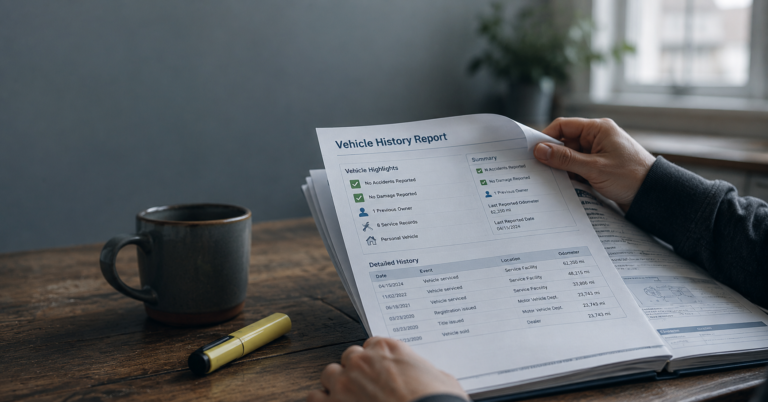
How to read a vehicle history report, section by section: owners, title brands, the odometer line, accident entries, and the red flags that mean walk away.

Free VIN check guide: NICB and NHTSA ask for no credit card and no email. See what each tool shows, what it misses and when a paid report is worth the money.
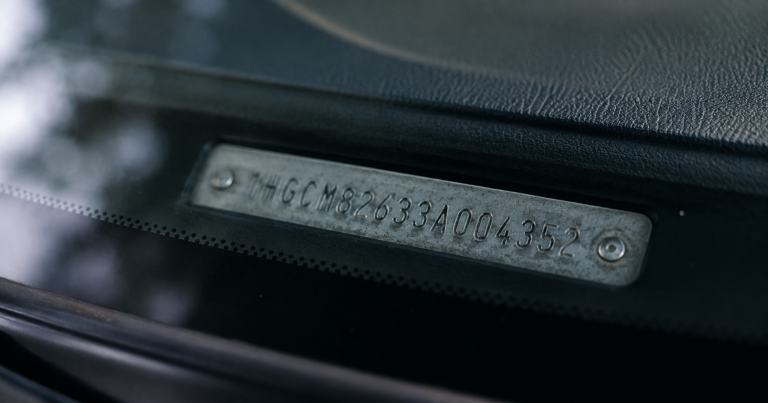
Learn what every VIN character means, digit by digit, where to find your VIN, and how to use the 17-character code to spot fraud before buying a used car.
We use one analytics cookie, Google Analytics, to see which guides get read. No ads, no cross-site tracking. Accept or deny; you can change your choice later on the Cookie Policy page.